Compliance and On-Site Competency
Trained people, correct documentation, safe productionAt Eco-Match, compliance and competency are part of how we approach every project. Our teams meet the relevant site requirements, with appropriately trained and competent personnel operating and managing our equipment. Our performance on site affects more than the crushing and screening operation. It contributes to the safety, productivity and overall progress of the project.
Compliance starts before equipment arrives on site
Compliance starts before the plant arrives. It means understanding the principal contractor’s requirements and making sure the necessary documentation, health and safety files, medicals, training and competency certificates are in place before mobilisation. Equipment inspections and records need to be up to date, with site-specific inductions and onboarding understood by the team. Being properly prepared makes for a smoother mobilisation, reduces unnecessary delays and lets the operation integrate into the project from the outset.
Competent operators make a difference
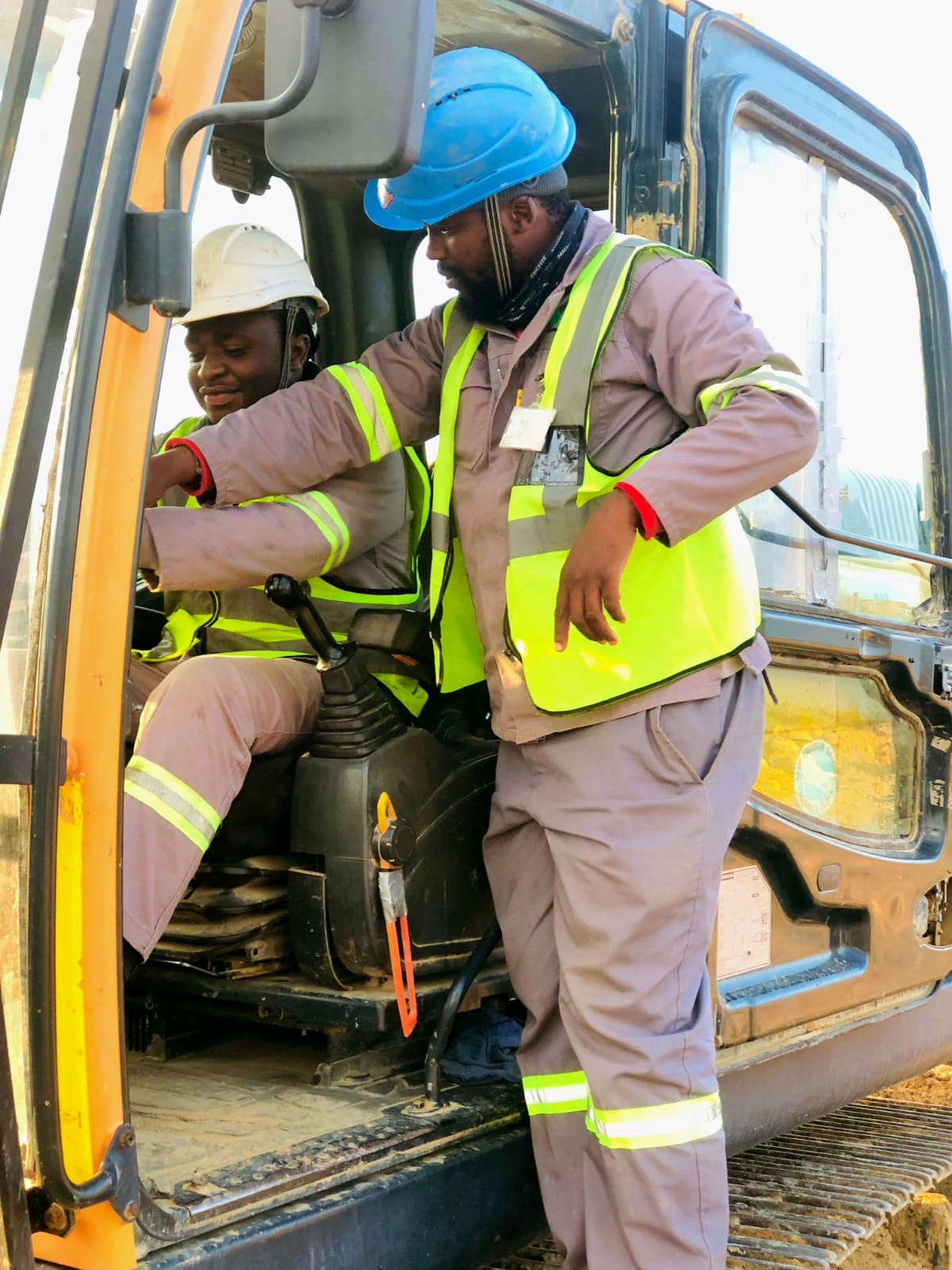
Having experienced, competent operators on site is a priority. Crushing and screening is more than operating a machine; a crushing and screening train has to be managed as a complete system. Feed size, raw material characteristics, final product requirements and plant configuration all influence performance, and operators need to understand how a change in one part of the circuit affects the rest. Our operators are expected to understand the plant they run, recognise its limitations and identify abnormal operating conditions. Regular checks and early reporting stop small problems from becoming larger ones, which keeps production consistent and reduces avoidable downtime.
Training and ongoing development build a competent site team. We place value on upskilling operators across different pieces of plant, and many of our operators become multi-skilled, able to run various machines within a train. That gives greater flexibility on site and a better understanding of how the individual machines work together. We also invest in our site managers. The site manager is a key point of contact between the Eco-Match team and the wider project, coordinating the operation, managing personnel, monitoring production and making sure site requirements are met. Developing their technical understanding equips them to lead their teams, identify issues early and make informed decisions that support safe, consistent production.
Compliance protects more than the subcontractor
Compliance extends beyond the subcontractor. How a subcontractor operates on site has a direct impact on the principal contractor, other subcontractors, site personnel, equipment and overall production. Poor compliance or a lack of competency can create safety risks, operational issues and unnecessary downtime that ultimately affect the wider programme. Choosing a crushing and screening subcontractor that takes compliance, competency and site requirements seriously is an important part of managing project risk, and it is one reason to weigh these factors when you select a subcontractor.
Compliance is more than paperwork
PPE is a fundamental part of safe operations on any crushing and screening site. Making sure our teams have the correct PPE and use it consistently is a priority. Depending on the project and site requirements, this can include hard hats, high-visibility clothing, safety boots, hearing protection, safety glasses or other eye protection, gloves and respiratory protection where required, with additional PPE for specific tasks or environments.
Mobile crushing and screening involves moving machinery, conveyors, material handling, dust and noise, which makes correct PPE an important last line of protection. It is not simply about having PPE available; personnel need to understand what their work environment requires and wear it correctly and consistently. We align PPE requirements with the appointed site and maintain those standards from mobilisation onwards, which helps our teams integrate safely, supports compliance with the principal contractor’s requirements and reinforces a culture where safety is part of the operation, not an afterthought.
Frequently asked questions
When does compliance start on a crushing and screening project?
Before equipment arrives on site. It means understanding the principal contractor’s requirements and having documentation, health and safety files, medicals, training and competency certificates in place before mobilisation.
What documentation is needed before mobilisation?
Health and safety files, medicals, operator competency and training certificates, up-to-date equipment inspections and records, plus site-specific inductions and onboarding.
Why does operator competency matter on a crushing and screening site?
A crushing and screening train is a complete system. Operators need to understand how feed size, material and plant settings affect the whole circuit, run regular checks and report issues early to keep production consistent and safe.
What PPE is used on a mobile crushing and screening site?
Depending on site requirements: hard hats, high-visibility clothing, safety boots, hearing protection, eye protection, gloves and respiratory protection where required, with additional PPE for specific tasks.
How does a subcontractor's compliance affect the wider project?
Poor compliance or weak competency can create safety risks, operational issues and downtime that reach the principal contractor, other subcontractors and the overall programme, so it is part of managing project risk.