Choosing a Mobile Crushing & Screening Subcontractor
What to look for before you appoint oneWhen a project needs aggregate produced on or next to site, the mobile crushing and screening subcontractor you appoint has a direct effect on production, cost and the overall programme. The lowest rate does not always mean the lowest overall cost.
A subcontractor with reliable plant, competent operators, a proven track record and the ability to configure the right crushing and screening train can reduce downtime, improve production consistency and make sure the material produced meets specification. These are the factors worth weighing before you appoint one.
1. A proven track record
Experience matters, particularly on large or technically demanding projects. A subcontractor should be able to point to similar materials, production environments and site conditions. Previous work on renewable energy, road construction or mining projects shows whether they understand the logistical and operational demands involved, and gives greater confidence that they know what is required once the plant is established on site.
2. Suitable and reliable crushing and screening plant
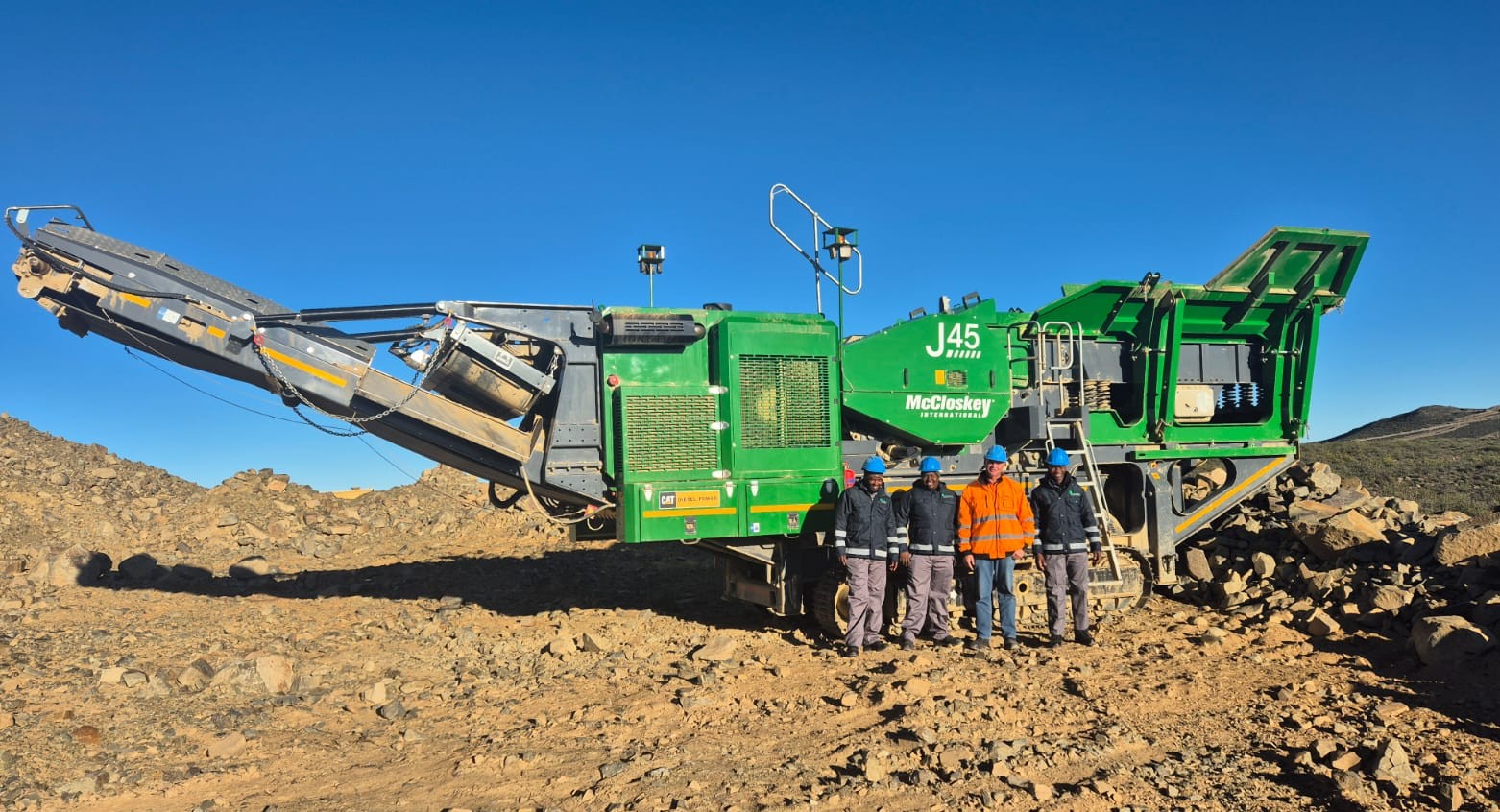
The plant needs to suit the raw material, feed size, required production rate and final products. A mobile jaw crusher may be enough on one project, while another needs a jaw crusher and a cone crusher in combination. The question to ask is not simply “what crusher do you have?” but “can you provide and configure the right crushing and screening train for what we need to produce?”
Reliability is just as important. Unexpected downtime affects not only crushing and screening, but loading, hauling, stockpiling and the construction activities that depend on the material. Eco-Match runs a McCloskey fleet for this reason; you can read why we run McCloskey plant.
3. Competent and experienced operators
Good equipment still needs good operators. Experienced operators manage feed material, monitor the plant and identify potential issues before they become production problems. Competent staff stay focused on safe operation, pre-start inspections, correct crusher and screen settings, material flow, production requirements and site-specific safety procedures. Reliable plant and experienced people together are what make production consistent. This is closely tied to compliance and on-site competency.
4. A clear understanding of the final product
The objective is not simply to make rock smaller, but to produce the required final products in line with the applicable COLTO (Committee of Land Transport Officials) and COTO (Committee of Transport Officials) grading requirements. COTO 2020 is the current standard for road and bridge works and has replaced the earlier COLTO specification. The required product size, grading envelope, application and project specification should all be considered before the configuration is set. Producing a G5 material calls for a different approach from a 19 mm concrete stone or a larger road stone. At Eco-Match we work backwards from the required end product, configuring the plant around the aggregate products needed rather than the other way around.
5. The ability to configure the crushing train
Different projects need different configurations. Depending on the feed material and final product, a circuit could run primary jaw crusher to screen, or primary jaw crusher to cone crusher to screen. The way the plant is configured has a significant effect on production, product grading, recirculation, fuel efficiency, wear rates and overall operating cost. This is where a subcontractor’s experience shows.
6. Realistic production capacity
Production targets should be realistic and based on the specific application, not a manufacturer’s maximum theoretical figure. Actual production is influenced by feed size, material hardness, density, moisture, feed consistency, crusher settings, screen configuration, required grading, recirculation and loading efficiency. A good subcontractor can discuss expected production against the actual material and site conditions.
7. Health and safety compliance
Mobile crushing and screening involves heavy machinery, moving components, conveyors, high noise, dust and interaction with other site activities. The subcontractor should have the systems and procedures to comply with the principal contractor’s requirements, covering operator competency, PPE, pre-start inspections, maintenance, emergency procedures, site inductions, medicals and safety files. Safety belongs in the assessment of capability, not as an administrative step after appointment.
8. Maintenance and breakdown support
Even well-maintained plant can have issues when processing large volumes in demanding conditions. What matters is how quickly they are identified and managed. Look for a clear approach to routine servicing, preventative maintenance, technical support, wear-part management and breakdown response. Monitoring wear components such as jaw plates, crusher liners and conveyor parts helps prevent unexpected failures, and a proactive approach limits the knock-on effect a standing plant has on material supply, loading, hauling and the wider programme.
A quick checklist
| Selection factor | What to look for |
|---|---|
| Track record | Similar materials, production environments and project types |
| Plant and configuration | Right crushing and screening train for your feed and final products, reliably maintained |
| Operators | Competent, experienced, focused on safe and consistent production |
| Product knowledge | Works backwards from the required grading and specification (COLTO / COTO) |
| Production capacity | Realistic figures based on your material and site, not theoretical maximums |
| Health and safety | Documentation, competency, PPE and site compliance ready before mobilisation |
| Maintenance and support | Preventative servicing, critical spares and a clear breakdown response |
Eco-Match has produced aggregate on renewable energy, mining and road projects across Southern Africa. See our recent projects or read why clients choose Eco-Match.
Frequently asked questions
What should I look for when choosing a mobile crushing and screening subcontractor?
Look at their track record, whether their plant suits your material and final products, operator competency, understanding of the required grading, the ability to configure the crushing and screening train, realistic production capacity, health and safety compliance and breakdown support.
Is the lowest rate always the cheapest option?
No. The lowest rate can carry a higher overall cost if downtime, inconsistent production or the wrong configuration slow the wider project. Overall cost and reliability matter more than the headline rate.
What is a crushing and screening train?
A combination of mobile plant set up in sequence, for example a primary jaw crusher feeding a screen, or a jaw crusher feeding a cone crusher and then a screen, configured around the raw material and the final products required.
How is realistic production capacity worked out?
From the actual material and site conditions: feed size, hardness, density, moisture, crusher and screen settings, required grading, recirculation and loading efficiency, rather than a manufacturer’s maximum theoretical figure.
Why does operator competency matter as much as the equipment?
Good plant still needs operators who manage feed material, monitor the circuit and catch issues early. Competent operation keeps production consistent and reduces avoidable downtime.
Should health and safety compliance affect who I appoint?
Yes. Mobile crushing involves heavy machinery, conveyors, dust and noise alongside other site activities. Treat compliance and competency as part of a subcontractor’s capability, not as paperwork completed after appointment.